Ride the Rails to Winter Trails: Snowshoes, Scenic Lines, and National Park Quiet
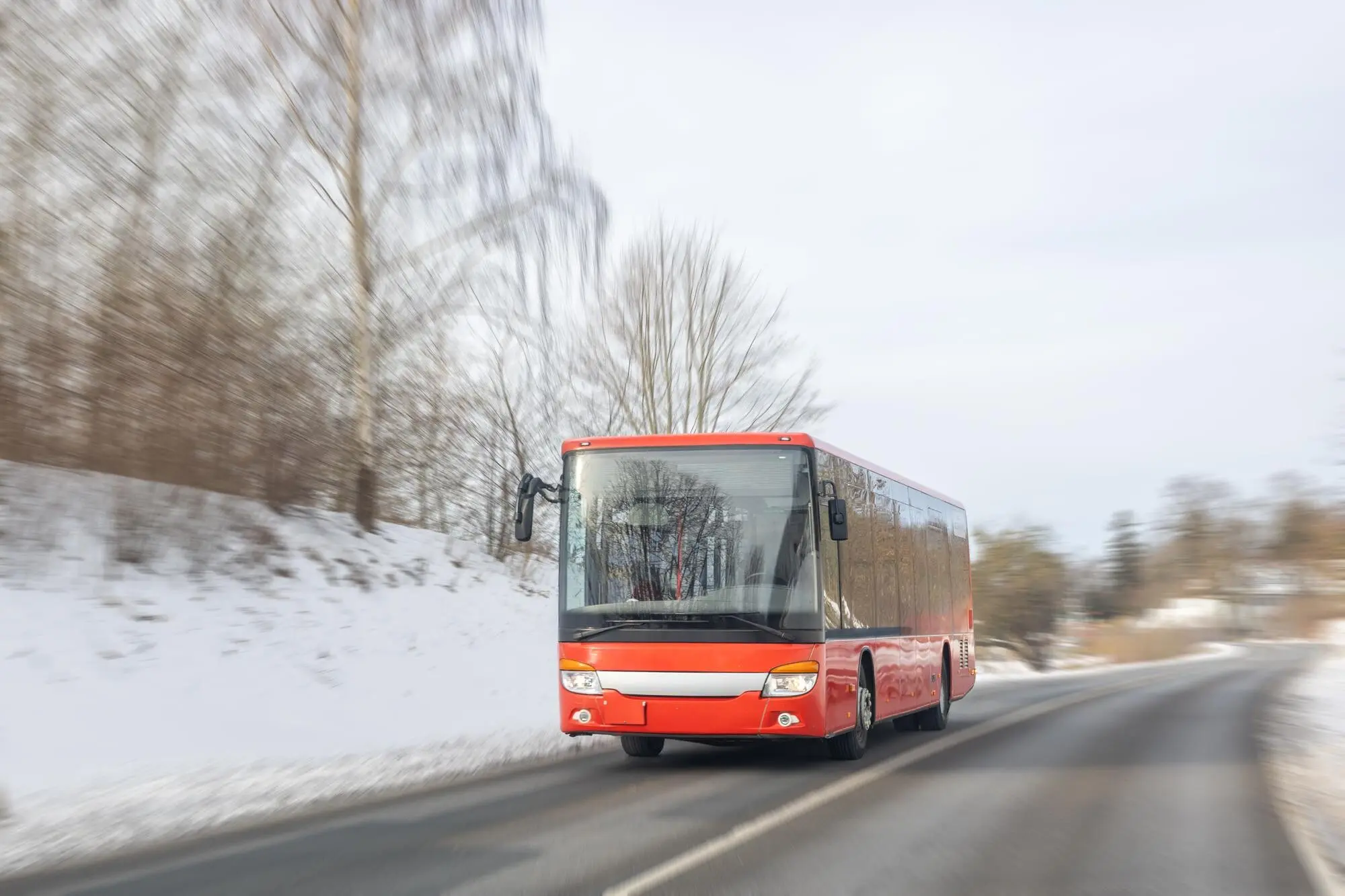
Timetables to Trailheads: Making Rail Connections Work in Winter
01
Mapping the Journey from Station Platform to Snowline
Start with the exact station exit, walking distances, and elevation gain before you ever shoulder a pack. Identify park shuttles that still run in winter, local taxi or rideshare availability, and safe roadside shoulders if a short walk is required. Build a daylight margin in both directions, pick a conservative turnaround time, and mark wind-exposed segments on your map so you are not racing shadows or icy gusts after the final train departs.
02
Tickets, Gear Policies, and Smart Packing for Frosty Departures
Check baggage rules for snowshoes, trekking poles, and sharp crampon points before buying tickets. Some routes allow checked ski bags; others require protective covers and secure straps. Consolidate layers into compressible sacks, keep hot layers and rain shells accessible, and place critical electronics in an inner pocket near body heat. Aim for one carry-on and one personal item, balancing comfort with minimalism so boarding is calm, aisles stay clear, and connections feel effortless even in blowing snow.
03
Contingency Plans When Trains or Buses Are Delayed by Weather
Winter storms occasionally rework the best itineraries. Hold a short list of nearby lodgings, a backup rail departure, and a conservative route variant closer to town. Factor in the possibility of slower snow-clearing on roads leading to trailheads, and decide in advance when you will pivot to a museum walk, a valley loop, or a photography session. By treating alternatives as part of the adventure, you protect safety and preserve the joy of spontaneous discovery.
Cold-Season Kit That Actually Performs
Safety, Conditions, and Judgment

Reading Winter Forecasts, Avalanche Bulletins, and Park Alerts
Pacing, Turnaround Times, and Decision Points That Keep You Safe
Emergency Kits, Communication Plans, and What to Do If Things Go Sideways
Destination Playbook: Rail-Accessible Gateways and Iconic Winter Walks
Trailcraft on Snowshoes: Moving Efficiently and Lightly
Finding a Rhythm, Managing Heat, and Gliding Over Rolling Terrain
Ascending, Traversing, and Descending Without Postholing the Track
Leave No Trace in a Frozen World, Including Wildlife Etiquette

Stories from the Tracks and Frosted Pines
All Rights Reserved.